Top 10 Benefits of Custom Steel Machining for Your Business Needs
In today's competitive manufacturing landscape, businesses are continually seeking ways to enhance efficiency, reduce costs, and improve product quality. One key area that offers significant advantages is Custom Steel Machining. According to a recent industry report by Markets and Markets, the global custom machining market is projected to reach USD 1.07 billion by 2026, growing at a CAGR of 4.7% from 2021. This growth underscores the increasing reliance on tailored manufacturing solutions to meet specific business needs.
Custom Steel Machining allows companies to produce parts that meet precise specifications, ultimately leading to improved performance and greater operational efficiency. A study from the Manufacturing Institute highlights that 79% of manufacturers believe that customized parts enhance their competitive edge, allowing them to better serve their clients and adapt to changing market demands. By leveraging the benefits of Custom Steel Machining, businesses can not only optimize their production processes but also achieve higher levels of innovation and customer satisfaction. In this article, we will delve into the top ten benefits of Custom Steel Machining, demonstrating why it is an essential strategy for modern businesses.
Understanding Custom Steel Machining and Its Applications
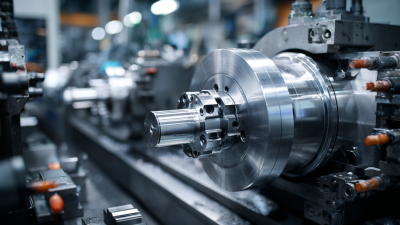
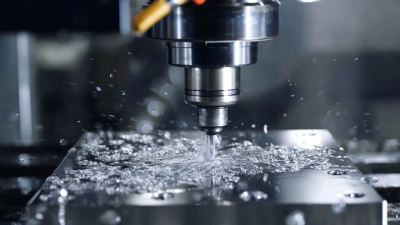
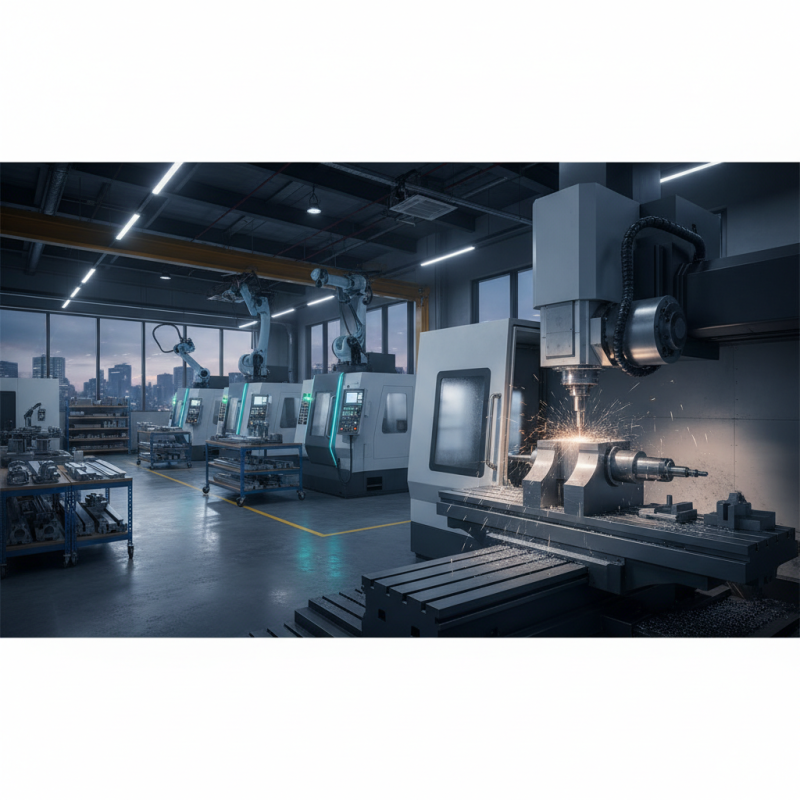
Custom steel machining is an advanced manufacturing process that allows businesses to create precise steel components tailored to their specific requirements. This method encompasses a variety of techniques such as milling, turning, and grinding, enabling manufacturers to produce complex parts with exceptional accuracy and repeatability. By leveraging computer numerical control (CNC) technology, custom steel machining not only enhances production efficiency but also minimizes material wastage, making it a cost-effective solution for industries ranging from aerospace to automotive and beyond.
The applications of custom steel machining are vast and diverse. Industries that require high-performance and durable components often turn to this process for creating essential parts such as gears, brackets, and structural elements. These tailored steel components play a crucial role in ensuring the reliability and functionality of machinery and equipment. Additionally, custom steel machining supports innovation by allowing businesses to develop prototype parts rapidly, facilitating quicker design iterations. This responsiveness to design needs empowers companies to remain competitive in fast-paced markets while maintaining high standards of quality and performance.
Enhanced Precision and Quality in Custom Steel Machining
Custom steel machining offers significant advantages in terms of precision and quality, which are essential for businesses seeking to enhance their production capabilities. According to a report by the National Institute of Standards and Technology, precision machining can improve product quality by reducing tolerances to within ±0.001 inches. This level of accuracy not only meets stringent industry standards but also minimizes waste, leading to cost-effective production processes. The integral advantage of custom steel machining lies in its ability to produce components that perfectly align with specific design requirements, allowing companies to achieve superior performance in their machinery and assemblies.
For optimal outcomes in custom steel machining, implementing best practices can be invaluable. **Tip:** Careful selection of cutting tools and machining parameters can significantly impact the final product's quality. Opting for tools that are specifically designed for the materials being machined enhances the longevity and performance of both the tools and the machined parts. Additionally, regular maintenance of CNC machines ensures consistent performance and precision throughout the machining process, ultimately leading to reduced downtime and improved efficiency.
Furthermore, advanced machining technologies, such as computer numerical control (CNC) machining, streamline the production process while maintaining exceptional precision. Reports from industry analysts indicate that the CNC machining market is projected to grow significantly, driven by its ability to deliver high-precision parts with reduced manual intervention. **Tip:** Investing in skilled operators who are trained on the latest machining technologies can yield better quality results and faster turnaround times, effectively positioning your business to adapt to evolving market demands.
Top 10 Benefits of Custom Steel Machining for Your Business Needs
| Benefit |
Description |
Impact on Business |
| Enhanced Precision |
Custom steel machining ensures highly accurate dimensions and specifications. |
Improves product quality and reduces waste. |
| Quality Assurance |
Strict quality control protocols ensure reliability and durability of parts. |
Increases customer satisfaction and trust. |
| Flexibility in Design |
Allows for unique designs and modifications to meet specific requirements. |
Enables businesses to innovate and stay competitive. |
| Cost Efficiency |
Custom machining can reduce material costs and labor expenses. |
Maximizes margins and profitability. |
| Quick Turnaround |
Streamlined processes lead to faster production times. |
Shortens time-to-market for new products. |
| Increased Durability |
High-quality steel and machining processes enhance product lifespan. |
Reduces replacement costs and downtime. |
| Reproducibility |
Consistent production of identical parts ensures uniformity. |
Supports large-scale manufacturing with confidence. |
| Environmental Considerations |
Efficient use of materials and energy reduces environmental impact. |
Enhances corporate sustainability efforts. |
| Advanced Technology |
Utilization of modern CNC machines and tools enhances capabilities. |
Keeps businesses at the forefront of industry standards. |
| Expertise and Support |
Access to skilled machinists for consultation and support. |
Ensures optimal outcomes and customized solutions. |
Cost Efficiency and Waste Reduction in Custom Steel Projects
Custom steel machining offers significant cost efficiency and waste reduction, making it an attractive option for businesses seeking to optimize their operations. By tailoring steel components to specific specifications, companies can minimize excess material use and streamline production processes. This approach not only reduces raw material costs but also lessens the environmental impact associated with steel production. With precise machining, businesses can achieve tighter tolerances, which leads to lower rework rates and less scrap material, ultimately contributing to a more sustainable manufacturing cycle.
Moreover, custom steel projects allow for better inventory management and less reliance on standard, off-the-shelf products that may not meet the unique needs of a business. This bespoke approach can lead to significant savings in both time and resources, enabling companies to operate more efficiently. As businesses increasingly focus on lean manufacturing principles, the benefits of custom steel machining become even more pronounced, helping them to maintain competitiveness in the market while supporting broader goals of sustainability and waste reduction.
Flexibility and Customization for Diverse Business Needs
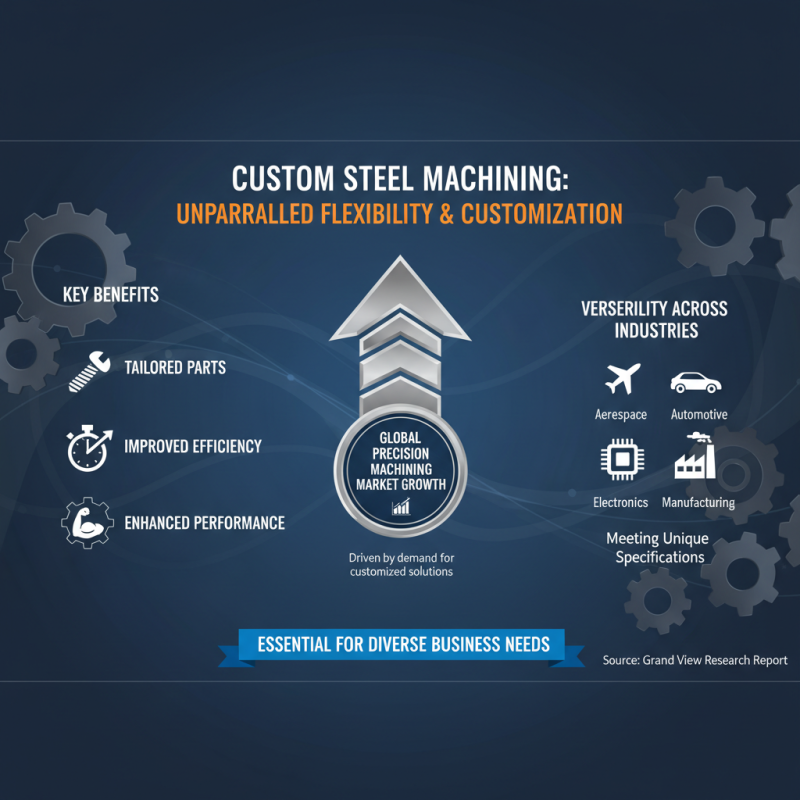
Custom steel machining offers unparalleled flexibility and customization, making it an essential choice for various business needs. According to a report by Grand View Research, the global precision machining market is anticipated to grow significantly, driven by the rising demand for highly customized solutions across industries. Custom steel machining allows businesses to produce specific parts tailored to unique specifications, which can vastly improve operational efficiency and product performance.
One compelling aspect of custom steel machining is its ability to cater to specific industry requirements. For example, in the aerospace sector, precision is paramount, and custom machined components can be produced to meet stringent quality standards, resulting in enhanced safety and reliability. A survey from Deloitte suggests that companies engaging in custom machining often report a 25% increase in production efficiency compared to those relying on standard parts.
Tip: When considering custom steel machining, clearly define your specifications and desired outcomes. Collaborating closely with a machining expert can lead to optimized designs that translate into better product functionality.
Furthermore, the adaptability of custom steel machining extends across a spectrum of applications, from automotive to medical devices. This versatility allows businesses to pivot quickly in response to changing market demands. A study by IBISWorld highlights that businesses utilizing custom machining have a competitive edge, as they can quickly prototype and produce small batches, thereby reducing time-to-market.
Tip: Always review and refine your machining processes periodically. Implementing lean manufacturing principles can help streamline operations and enhance productivity, ultimately benefiting your bottom line.
Improved Lead Times and Production Schedules with Steel Machining
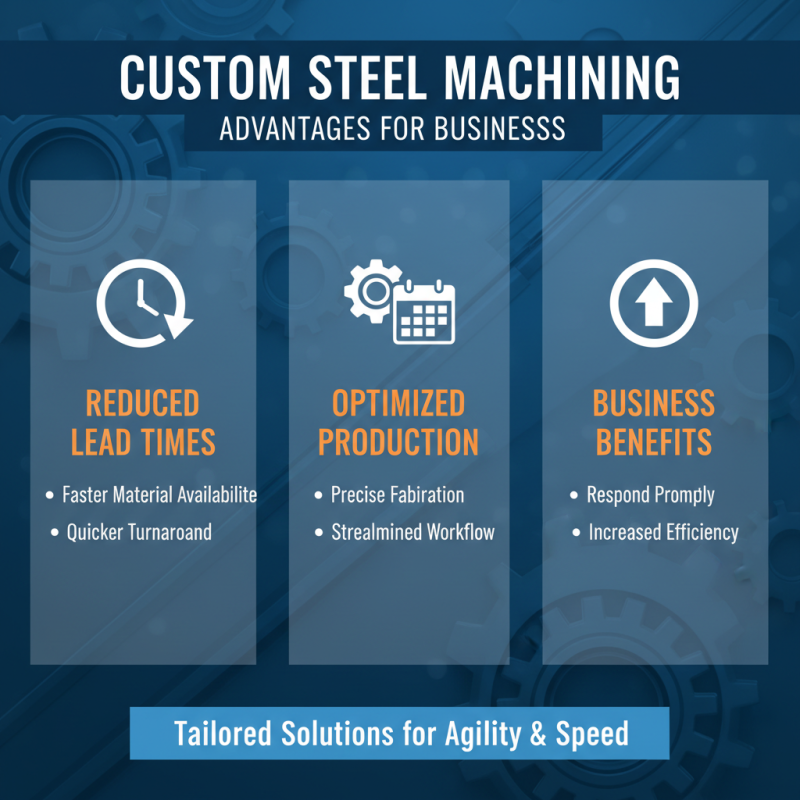
Custom steel machining offers significant advantages, particularly when it comes to improving lead times and optimizing production schedules. When businesses invest in tailored machining solutions, they benefit from precise fabrication processes that align with their specific requirements. By utilizing custom steel machining, companies can reduce the time spent on waiting for materials or making adjustments to fit their production needs, leading to a more efficient workflow. This streamlining can result in quicker turnaround times, enabling businesses to respond promptly to market demands.
To maximize the benefits of custom steel machining, businesses should consider a few key tips. First, establish clear communication with your machining partner to ensure that all specifications are understood and agreed upon from the outset. This helps to avoid delays caused by misunderstandings. Additionally, embracing advanced technologies like CAD/CAM software can enhance precision in the design phase, further helping to minimize production time. Lastly, regularly reviewing and updating your production schedules and capacities in line with your machining capabilities can keep you agile and responsive to changes in demand.
By focusing on these aspects, businesses can harness the full potential of custom steel machining, leading to shorter lead times that positively impact overall productivity. Investing time and resources into optimizing these processes will ultimately pay off, allowing for sustainable growth and greater market competitiveness.