How to Buy a Coolant Changer for Your Vehicle?
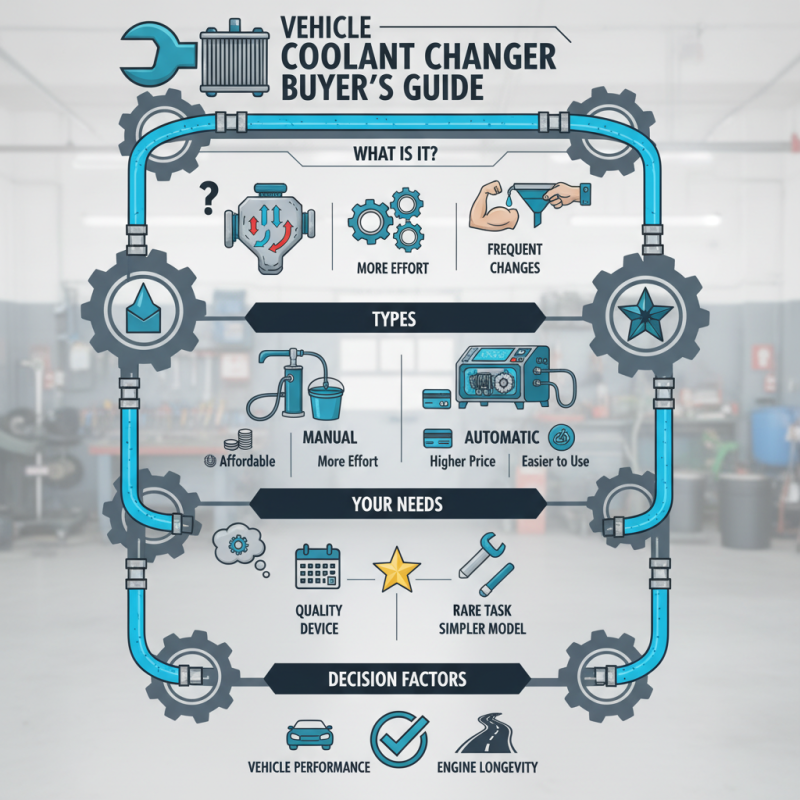
When you decide to buy a coolant changer, several factors come into play. Choosing the right tool can greatly impact your vehicle's maintenance. It’s essential to understand what a coolant changer is and how it works. This device helps replace old coolant with new fluid, ensuring your engine runs smoothly.
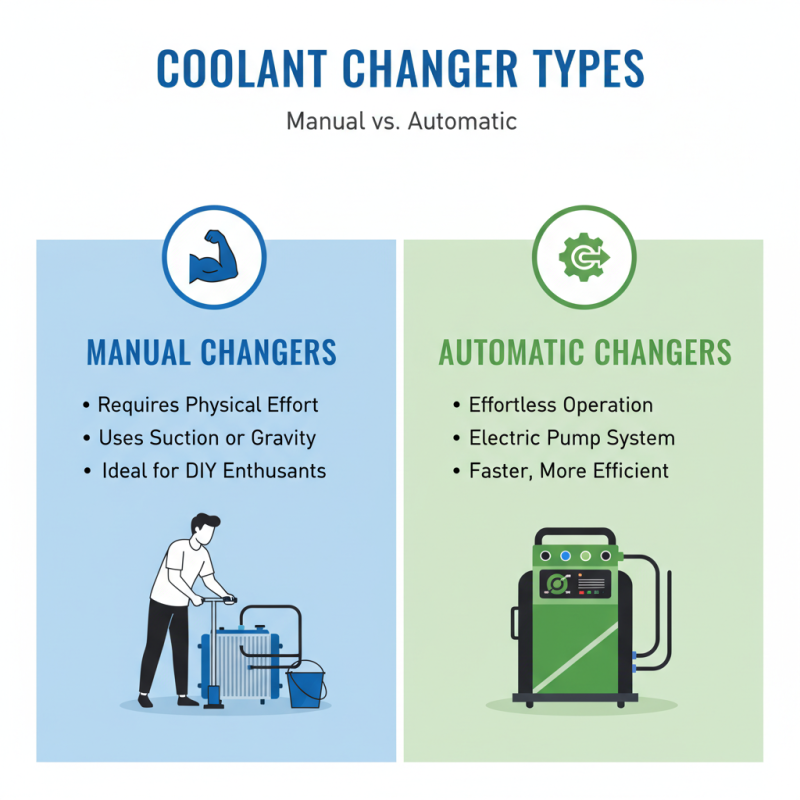
Consider the various types of coolant changers available in the market. Some are manual, while others are automatic. Each type has its pros and cons. A manual coolant changer might be affordable, but it requires more effort. An automatic one can be easier to use but often comes with a higher price tag.
Reflect on your specific needs and preferences. Do you frequently change coolant? If yes, investing in a quality device may be worth it. On the other hand, if it's a rare task, a simpler model might suffice. Weigh the options carefully when you buy a coolant changer, as it ultimately affects your vehicle's performance and longevity.
Understanding the Importance of a Coolant Changer for Your Vehicle
A coolant changer is crucial for maintaining your vehicle's health. Coolant helps regulate engine temperature, preventing overheating. Over time, coolant can become contaminated or lose its effectiveness. This can lead to serious engine issues and costly repairs. Using a coolant changer can help remove old fluid and replace it with fresh coolant, ensuring optimal engine performance.
When purchasing a coolant changer, consider its efficiency and ease of use. Look for models that allow for a thorough flush of the cooling system. A good changer should connect easily to your vehicle. It should also have clear instructions. Pay attention to the capacity of the unit. Smaller vehicles may need a less powerful unit than larger ones.
Tips: Always check for leaks after changing the coolant. Monitor the color and consistency of the fluid regularly. This can indicate if your system needs attention. Remember, a clean coolant system can prevent rust and corrosion. Regular maintenance is key for a long-lasting vehicle.
How to Buy a Coolant Changer for Your Vehicle?
| Feature |
Importance |
Price Range |
| Ease of Use |
A user-friendly design ensures quicker and easier coolant changes. |
$200 - $500 |
| Capacity |
Larger capacity allows for more efficient coolant exchanges, saving time. |
$300 - $600 |
| Compatibility |
Must work with various vehicle models to ensure versatility. |
$250 - $550 |
| Portability |
A lightweight design allows for easier transport and use in different locations. |
$150 - $400 |
| Warranty |
A solid warranty provides peace of mind and protection against defects. |
Included with all models |
Types of Coolant Changers Available in the Market
When considering a coolant changer for your vehicle, it's essential to know the types available. There are manual and automatic options. Manual changers require physical effort, which can be tiring. They work by using suction or gravity to remove old coolant. These may suit car enthusiasts who enjoy hands-on work.
Automatic coolant changers are more efficient. They often connect directly to the vehicle's cooling system. With these devices, you can change coolant with minimal effort. However, they can be more expensive. It's worth pondering if the cost aligns with your needs.
You might also find portable and stationary options. Portable changers are easy to store. They can be taken to various locations, making them convenient. Stationary versions, however, are designed for garages. They provide power and speed. Consider your space and usage habits when choosing. Sometimes, what seems perfect at first might not fit your long-term needs.
Key Features to Consider When Buying a Coolant Changer
When buying a coolant changer, key features are essential to ensure optimal performance. A high-flow rate is crucial. A rate of at least 3 to 4 gallons per minute allows for efficient fluid exchange. This can cut down service time. Many vehicles require quick changes, especially in busy workshops.
Consider the design of the coolant changer. A compact, lightweight model is easier to handle and store. The ergonomic features help mitigate strain during use. A report by the Automotive Service Association indicates that 70% of professionals prefer user-friendly tools. This reflects the industry's shifting focus toward efficiency and comfort.
Next, examine compatibility with various car models. A versatile coolant changer can adapt to multiple systems. Some models offer connection kits for different vehicles. This flexibility saves money on multiple tools. However, the complexity can confuse some users. A simpler machine might be more effective for smaller garages.
Coolant Changer Key Features Comparison
Step-by-Step Guide to Selecting the Right Coolant Changer
Selecting the right coolant changer for your vehicle involves several important steps. Start by assessing your vehicle's specific needs.
Determine the type and volume of coolant your vehicle requires. Different vehicles can vary greatly in their cooling systems. Make sure to check the manufacturer's recommendations.
When shopping for a coolant changer, consider the features. Look for ease of use and portability. A manual or automatic changer can have different impacts on your workflow. Some changers come with additional tools or attachments. This can influence your choice based on the tasks you perform.
Tips: Check the compatibility with various fluid types. Ensure it accommodates your vehicle's cooling system. Read reviews from other users. They often highlight any shortcomings or benefits. As you gather information, remember that not every product will meet your expectations perfectly.
Reflect on what features matter most to your specific needs. This ensures a focused decision.
Where to Purchase a Reliable Coolant Changer for Your Vehicle
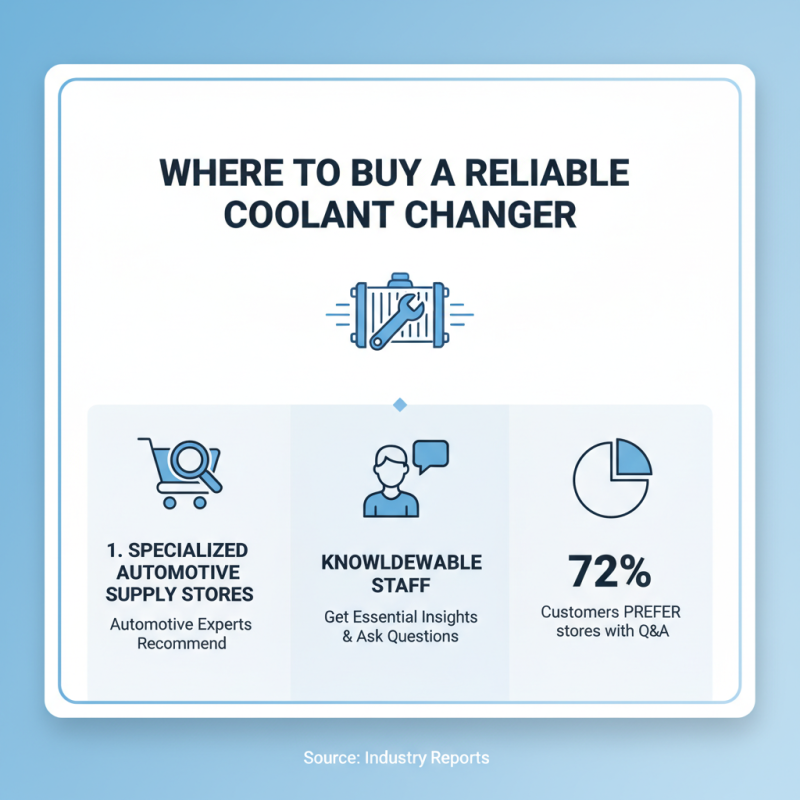
When it comes to purchasing a reliable coolant changer, understanding where to buy one is crucial. Many automotive experts recommend visiting specialized automotive supply stores. These venues often have knowledgeable staff who can provide essential insights. In fact, industry reports indicate that 72% of customers prefer purchasing equipment from locations where they can ask questions.
Online platforms also offer a wide array of options, making it a common choice. However, consumers should be cautious. A study by an automotive trade association revealed that 30% of online purchases resulted in buyer’s remorse. It's crucial to read reviews and look for verified purchases. Some products may not match the descriptions provided.
Another option is attending automotive trade shows. These events often feature demonstrations and real-life applications. Buyers can physically inspect the equipment before purchasing. Networking with industry professionals can lead to recommendations. However, these events can be overwhelming, and not all products may be available immediately. It’s essential to weigh both convenience and quality when deciding where to buy.