How to Buy Compressed Air for Your Business Needs?
In today's competitive industrial landscape, understanding how to buy compressed air is essential. According to a report by the Compressed Air and Gas Institute, businesses can spend up to 30% of their energy costs on compressed air systems. This figure highlights the importance of making informed purchasing decisions.
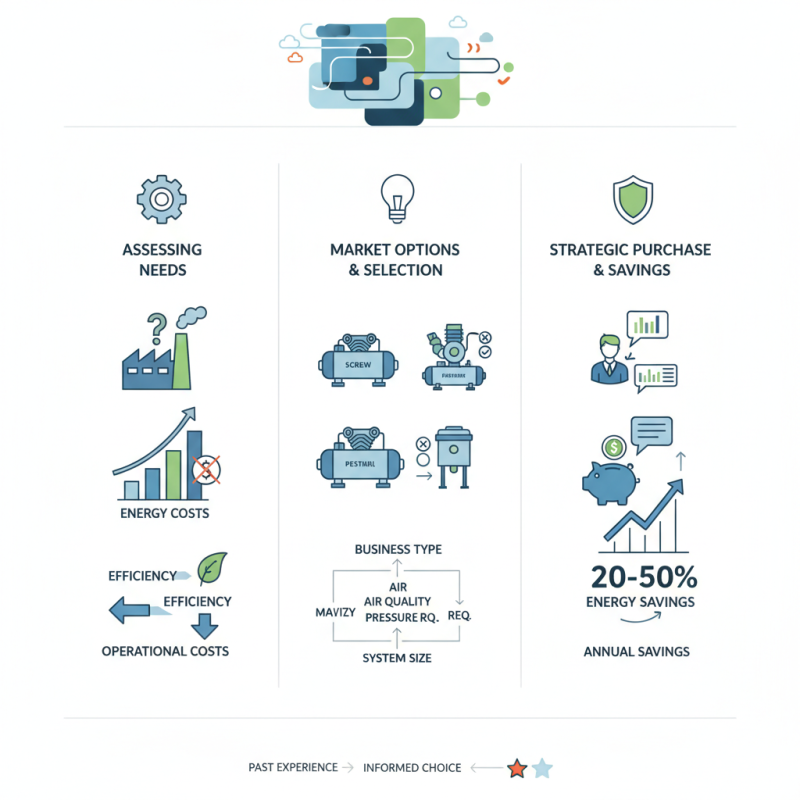
When companies look to buy compressed air, they must consider efficiency and long-term operational costs. The right system can vastly reduce energy consumption, leading to annual savings in the thousands. For instance, a well-managed compressed air system can decrease energy costs by approximately 20-50%.
The market offers various options, each with distinct advantages and disadvantages. It is vital to analyze the specific needs of your business before making a purchase. Take the time to reflect on past experiences in air system selection. In some instances, an impulsive choice may lead to unsatisfactory performance and increased operational costs. Always seek expert advice and data-driven insights during your buying process.
Understanding Your Business's Compressed Air Requirements
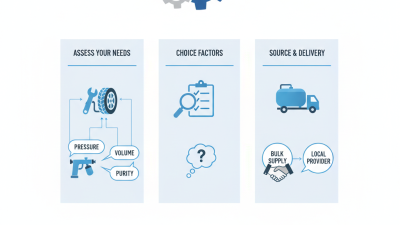
When assessing your business's compressed air requirements, clarity is key. Start by evaluating the specific applications that require compressed air. Consider tools and machinery used in your operations. Understand the pressure and volume needs for each application. This basic assessment helps tailor your air requirements.
Tips: Document all equipment that uses compressed air. Include operating pressure and flow rates. This information guides your purchasing decisions.
Next, think about your growth plans. A sudden increase in workload may require more compressed air. Choose a system that can scale with your business. It may lead to better long-term efficiency.
Tips: Consult with a compressed air expert. They can suggest optimal solutions based on your unique situation. Regular maintenance is crucial. This ensures reliability and efficiency.
Lastly, reflect on your current energy consumption. Compressed air can be costly if not managed well. Evaluate the energy efficiency of potential systems. It helps in finding a balance between cost and performance.
Identifying Different Types of Compressed Air Systems
When exploring compressed air systems, businesses face several choices. Understanding the types available is crucial. The primary systems include reciprocating compressors, rotary screw compressors, and centrifugal compressors. Each serves different needs, depending on the application and required air pressure.
Reciprocating compressors are favored for their efficiency in small operations. They excel at producing high pressure and are effective for pneumatic tools. However, they may require more maintenance than other types. It's important to consider the operational environment, as these compressors can be noisy and may not perform optimally in extreme conditions.
In contrast, rotary screw compressors are known for continuous operation. They provide a steady flow of air and tend to be quieter. These systems are favored in larger industries, but they can be more expensive upfront. Understanding your air demands is essential; a system too large wastes energy, while a too-small unit can lead to pressure drops and inefficiency. This makes the decision-making process complex and requires careful evaluation of specific needs and long-term goals.
How to Buy Compressed Air for Your Business Needs? - Identifying Different Types of Compressed Air Systems
| System Type |
Power Source |
Horsepower (HP) |
Max Pressure (PSI) |
Applications |
| Reciprocating |
Electric |
5-25 HP |
100-175 PSI |
Automotive, Light Industry |
| Rotary Screw |
Electric |
10-500 HP |
80-125 PSI |
Manufacturing, Heavy Industry |
| Centrifugal |
Electric |
200+ HP |
100-250 PSI |
Large Scale Industrial Applications |
| Portable Compressors |
Gas, Diesel |
5-20 HP |
70-150 PSI |
Construction, Outdoor Use |
| Oil-Free Compressors |
Electric |
1-10 HP |
80-100 PSI |
Dental, Food Industry |
Evaluating the Quality and Efficiency of Compressed Air Equipment
When evaluating the quality and efficiency of compressed air equipment, consider its role in operational success. Compressed air serves various applications, from powering tools to assisting in manufacturing processes. Understand the requirements of your specific business needs. This awareness helps in selecting the right equipment.
Efficiency is crucial. Look for equipment with energy-saving features. Regular maintenance also affects performance. Examine the specifications carefully, and ask for performance data. This data often reveals how well the equipment operates under different conditions. Inadequate airflow can lead to inefficiencies. Ensure the equipment is suitable for your operational demands.
Quality materials enhance durability. Equipment should withstand daily use without failure. Watch for signs of wear and tear during inspections. Even minor issues can escalate, causing downtime. Prioritize reliability in your choice. Pay close attention to leaks, as they can waste energy and reduce efficiency. Always seek expert advice when needed.
Implementing Maintenance Practices for Optimal Compressed Air Usage
Maintaining optimal compressed air usage is key for any business relying on this utility. Regular maintenance practices can greatly enhance efficiency and reduce costs. It’s essential to routinely inspect air compressors for leaks, as even small leaks can lead to significant energy waste. Keep an eye on the pressure levels to ensure they align with your needs. Excess pressure can lead to unnecessary wear and tear.
Tips for maintenance:
- Schedule regular filter changes. Clean filters ensure better airflow and quality.
- Implement a monitoring system. Track usage patterns and identify any unusual spikes in demand.
Don’t overlook the importance of
draining condensate from air tanks. Accumulated moisture affects air quality and can damage tools and equipment. Engage your team to perform routine checks. Create a checklist for daily, weekly, and monthly tasks. This can help maintain a preventive approach rather than a reactive one.
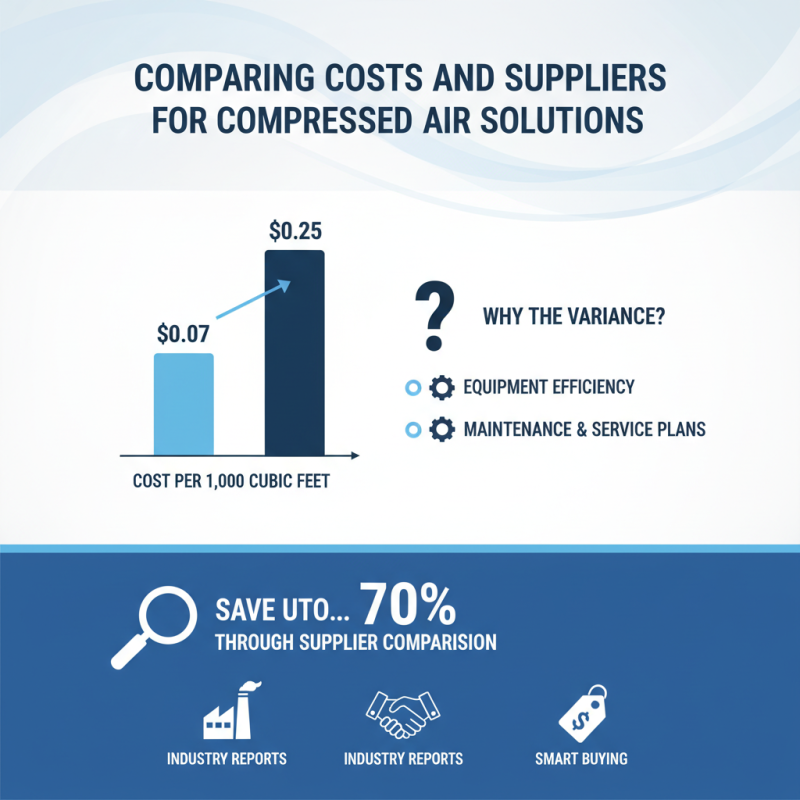
Reflect on your current practices. Are they sufficient to meet your business’s demand? Are you paying too much for compressed air? Regular assessments can help you uncover areas for improvement and efficiency gains.