How to Choose the Best Angle Milling Head for Your Needs?
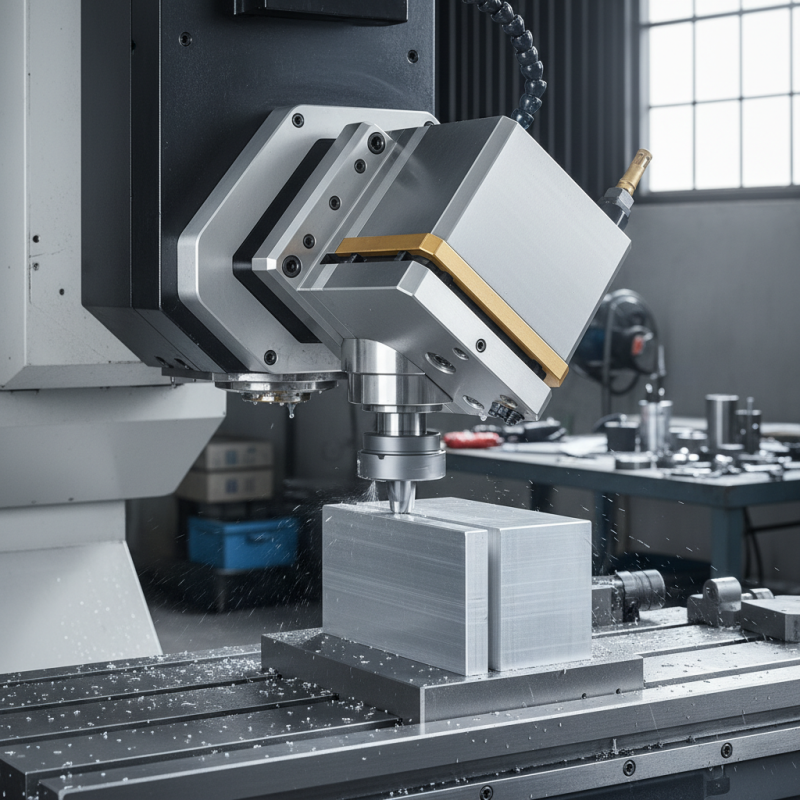
Choosing the best Angle Milling Head can significantly impact your machining efficiency. The right head enhances precision and versatility in various milling tasks. Each project comes with unique requirements, so selecting the ideal model is critical.
Consider your specific needs before making a selection. You may need a head that offers adjustable angles or one that integrates well with your existing machinery. Researching different brands and models can help guide your decision. Online reviews and expert opinions provide valuable insights.
Remember, not all Angle Milling Heads are created equal. Some may perform better in certain scenarios than others. It's wise to weigh the pros and cons of each option. Engaging in discussions with experienced machinists can help clarify your choices. Ultimately, finding the right Angle Milling Head ensures that your milling operations run smoothly and efficiently.
Understanding Angle Milling Heads and Their Functions
Angle milling heads are essential tools in precision machining. They allow for various milling operations that cannot be performed with standard machines. Understanding their functions helps in selecting the right one for your needs.
These heads provide the ability to mill at specific angles, increasing versatility in machining. They can handle complex geometries, making them invaluable in industries like aerospace and automotive. Various designs cater to different machining tasks. For instance, some allow for both vertical and horizontal cuts. Others are designed for multitasking, optimizing workflow and efficiency.
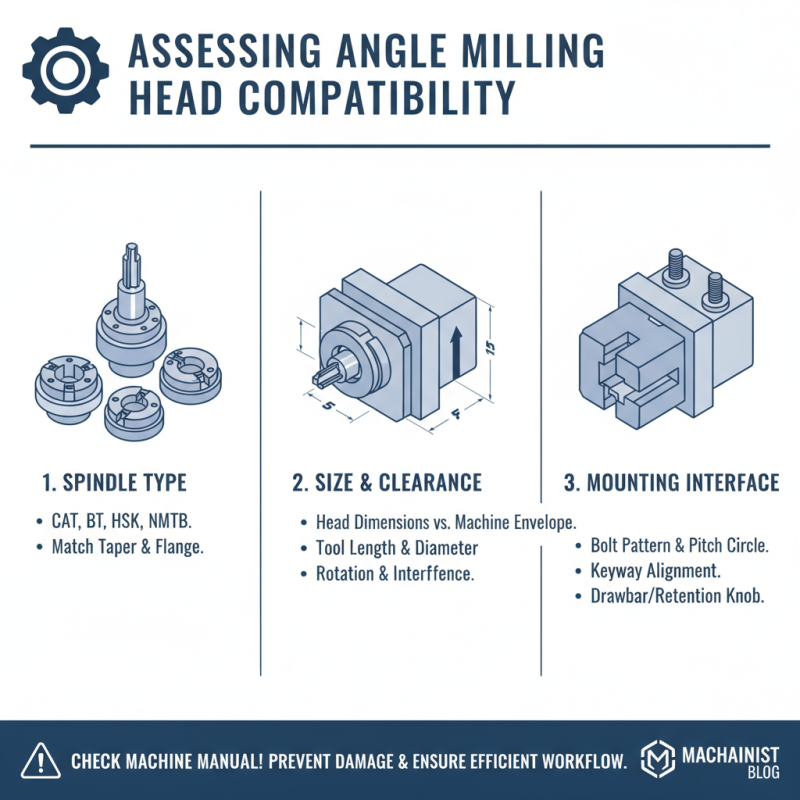
Choosing the right angle milling head involves evaluating your specific requirements. Factors like material type and desired finish come into play. Reflect on your previous projects and the challenges faced. Were there limitations that an angle milling head could address? It’s crucial to assess your machine’s compatibility with different heads as well. A mismatch can lead to inefficiency and even damage. Keep in mind that not every head is suited for every application. Consider the adjustments and adaptations needed for your unique situation.
Key Factors to Consider When Selecting an Angle Milling Head
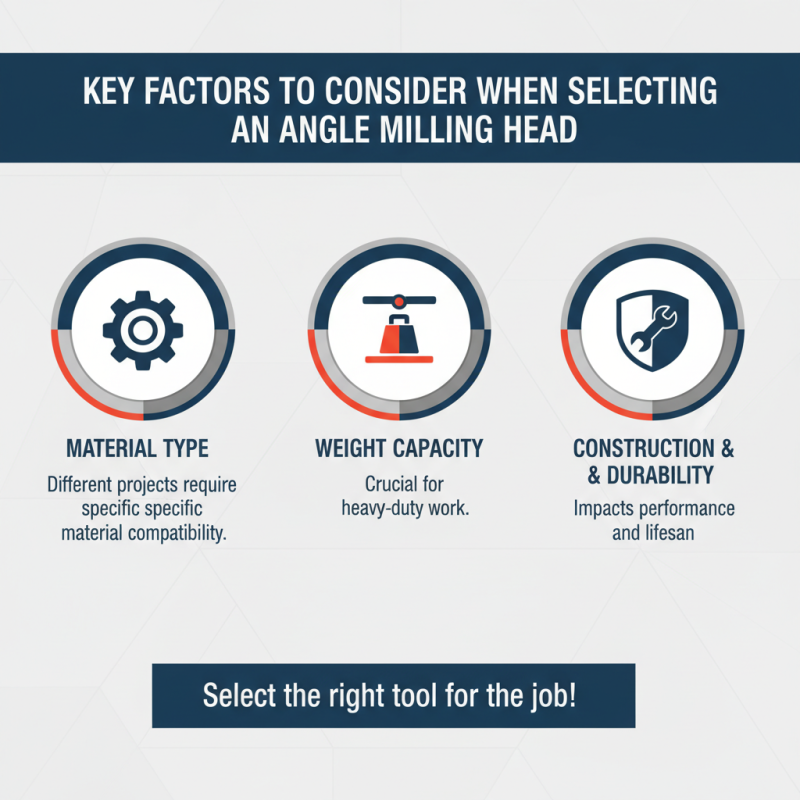
When selecting an angle milling head, consider the material and weight capacity. Different projects require different strengths. A robust head is crucial for heavy-duty work. Check the construction materials, as this impacts durability and performance.
Speed and precision also matter greatly. Some projects demand high rotational speeds for finer cuts. Others may focus more on torque. Analyze your specific needs. Efficiency often depends on the right balance between these factors. If unsure, consult with experienced machinists for insights.
Lastly, think about compatibility with existing machinery. An angle milling head must fit seamlessly with your setup. Measurement discrepancies can lead to frustration. Consider the ease of installation and potential adjustments. Sometimes, even small details can influence the overall effectiveness of your milling tasks.
Types of Angle Milling Heads and Their Applications
When selecting an angle milling head, understanding the types and their applications is crucial.
Angle milling heads are essential for precision machining. They allow for the cutting of materials at various angles, enhancing versatility in manufacturing. According to the latest industry report, over 70% of manufacturers prefer adjustable angle milling heads for greater flexibility in their operations.
Fixed angle milling heads are commonly used for specific tasks. They are ideal for repetitive jobs where the angle remains constant. These heads provide stability and accuracy. In contrast, tilting angle milling heads offer the ability to work with varying angles. This feature is beneficial for complex parts requiring intricate shapes. Reports suggest that demand for tilting heads has increased by 25% in the past year, indicating their growing importance in advanced manufacturing.
Moreover, the application context can impact the choice of milling head. For instance, aerospace and automotive sectors favor angle milling heads that support high-speed operations. However, some users overlook the maintenance aspect. Regular checks are essential to avoid unexpected downtime. A lack of maintenance can lead to performance issues, ultimately affecting production quality. Balancing precision and upkeep is key in maximizing the benefits of any angle milling head.
Budgeting and Cost Considerations for Angle Milling Heads
When budgeting for an angle milling head, understanding costs is essential. Prices can vary widely based on features and specifications. The initial investment is just the start. Don’t overlook operational costs like tooling, maintenance, and power consumption. These factors significantly affect your overall budget.
Consider how often you will use the milling head. If it’s for occasional tasks, a lower-priced model might suffice. For continuous, demanding applications, investing in a higher-quality head can save money long-term. Research is crucial—check reviews and user feedback for reliability and durability over time.
Assess your shop’s capabilities, too. A less expensive model might meet immediate needs but may lack precision for complex tasks. Weigh the pros and cons of each option. Sometimes, you will find that a more expensive choice leads to better productivity. This consideration may not be easy, but it’s vital for sustainable operations.
How to Choose the Best Angle Milling Head for Your Needs? - Budgeting and Cost Considerations for Angle Milling Heads
| Feature |
Budget Range ($) |
Applications |
Key Considerations |
| Standard Angle Milling Head |
500 - 1,000 |
General machining tasks |
Versatile, cost-effective for small shops |
| Universal Angle Milling Head |
1,000 - 2,500 |
Complex machining and custom projects |
Higher flexibility and adjustment options |
| Heavy-Duty Angle Milling Head |
2,500 - 5,000 |
Industrial applications |
Designed for high load capacities |
| CNC Angle Milling Head |
5,000 - 10,000 |
Automated machining processes |
High precision and repeatability |