What is Custom Steel Machining and How Does It Work?
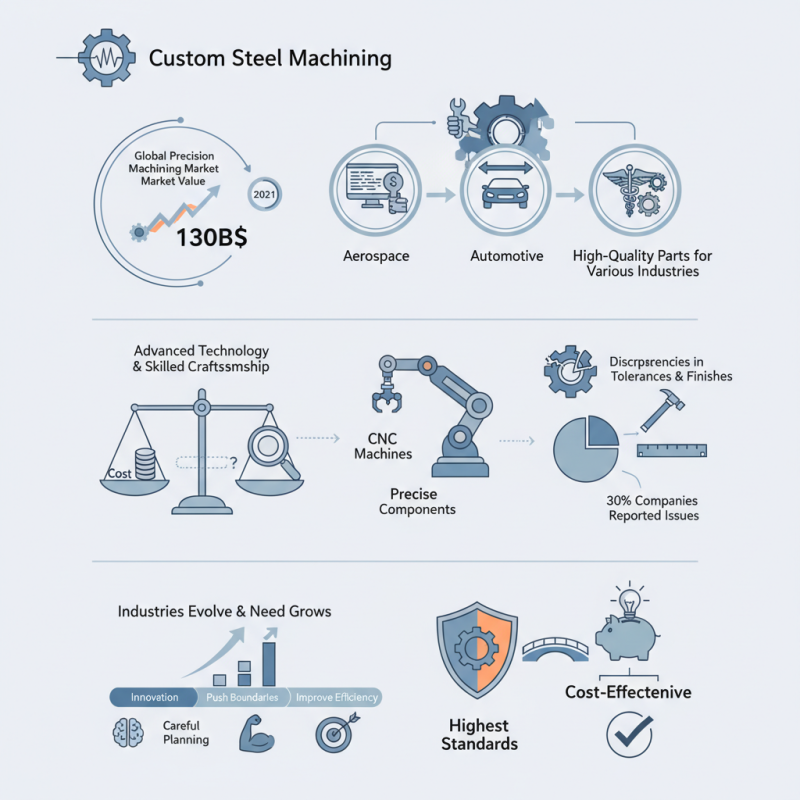
Custom Steel Machining is a critical aspect of modern manufacturing. In 2021, the global precision machining market was valued at approximately $130 billion. Custom steel machining plays a vital role in achieving high-quality parts for various industries. Industries like aerospace, automotive, and medical rely heavily on precision machining to meet their unique demands.
The process involves utilizing advanced technology and skilled craftsmanship. Machinists work with computer numerical control (CNC) machines to create precise components. However, many firms face challenges in balancing cost and quality. Despite advancements, discrepancies occur in tolerances and finishes. According to recent studies, nearly 30% of companies reported issues with machining accuracy in their custom projects.
As industries evolve, the need for custom steel machining will only grow. Businesses seek to innovate, push boundaries, and improve efficiency. The challenge lies in ensuring the highest standards while maintaining cost-effectiveness. Success requires careful planning and determination to tackle these imperfections head-on. Understanding these dynamics is vital for anyone involved in manufacturing.
What is Custom Steel Machining? An Overview of the Process
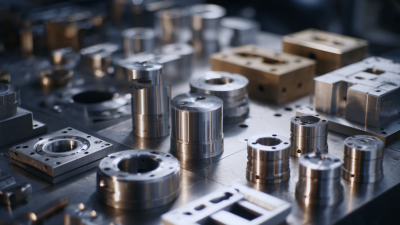
Custom steel machining is a precise process used to create tailored metal components. The process begins with a design, often produced using computer-aided design (CAD) software. This design is then translated into a set of instructions for machining equipment. Machining can involve various techniques, including milling, turning, and drilling. Each technique has its specific applications and benefits, depending on the component's requirements.
Tips: Choose materials wisely. Steel grades can significantly affect the final product's strength and durability. Always consider the end use of the component when selecting materials.
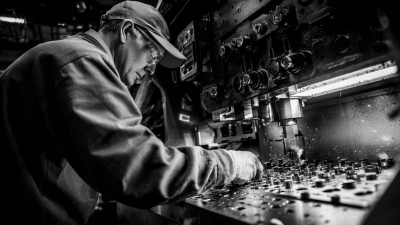
Machining centers are equipped with advanced tools that enhance precision. However, they come with a learning curve. Operators must understand how to set up and calibrate machines properly. Poor calibration can lead to costly errors in production. Regular maintenance of equipment is also vital to maintain performance.
Tips: Schedule routine checks on your machining tools. This practice prevents unexpected breakdowns and extends the life of the equipment. Always keep a log of maintenance performed for easy reference.
Key Techniques in Custom Steel Machining: Turning, Milling, and Grinding
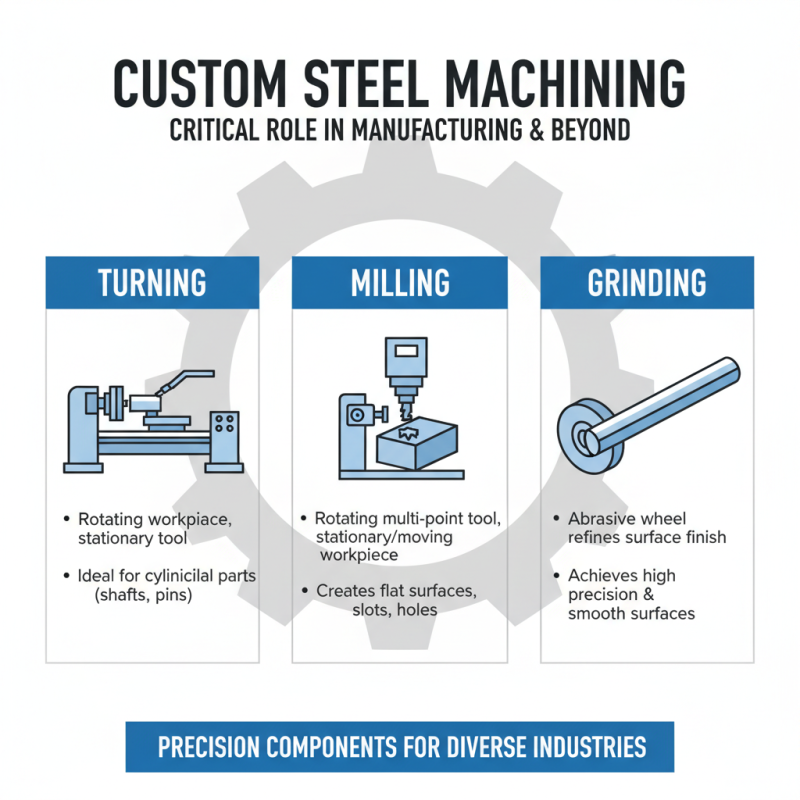
Custom steel machining plays a critical role in various industries, especially manufacturing. This process includes several key techniques: turning, milling, and grinding, each with distinct applications and advantages.
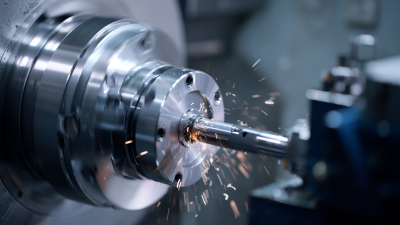
Turning is utilized for creating cylindrical parts. It involves rotating the steel workpiece against a stationary cutting tool. This method offers high precision and efficient material removal, making it ideal for producing shafts and bushings. According to industry reports, turning accounts for about 30% of all machining operations.
Milling, on the other hand, is versatile and can produce complex shapes. It uses rotating cutters to remove material from a stationary workpiece. It’s well-suited for making slots, gears, and intricate designs. A popular choice, milling operations reportedly represent 40% of machining activities in the sector.
Grinding is essential for achieving smooth finishes and tight tolerances. This method uses abrasive wheels to remove fine amounts of material. Although slower than turning or milling, grinding is crucial in producing high-quality components. Notably, it is responsible for around 20% of machining processes.
Tips: Always consider the material type when choosing a technique. Steel's hardness impacts tool selection. Regular maintenance of machines also enhances operational efficiency.
Mistakes can happen. Operators may miscalculate cutting speeds or tool angles. Such oversights can lead to increased wear on tools or damaged parts. Continuous training is vital to mitigate these issues in custom steel machining.
Materials Used in Custom Steel Machining: Alloys and Grades Explained
Custom steel machining relies heavily on specific materials, notably various steel alloys and grades. These materials influence the strength, durability, and resistance of the final product. For instance, carbon steel, known for its toughness, is often used in manufacturing tools and structural components. Stainless steel offers exceptional corrosion resistance but can be challenging to machine due to its hardness. Reports indicate that over 60% of custom steel machining projects utilize these two types of steel, highlighting their popularity.
Steel grades also play a crucial role in determining the machining process. High-strength steels, such as those from the ASTM A500 series, require advanced techniques to avoid excessive wear on tools. Machining these grades presents unique challenges; the rigidity of the material can lead to vibrations. Data suggests that improper tooling can result in up to 30% more scrap on high-tensile projects. This emphasizes the need for precise engineering and tool selection.
Furthermore, aluminum alloys are sometimes incorporated. They provide a lighter alternative, but they don't always meet strength requirements. Therefore, careful consideration is necessary when selecting materials for specific applications. The intricacies of materials in custom steel machining complicate decisions, yet they also drive innovation in machining practices. Refining these processes can lead to higher quality outputs and increased efficiency.
Applications of Custom Steel Machining in Various Industries
Custom steel machining plays a crucial role in various industries. Precision and durability are key requirements in sectors like automotive, aerospace, and construction. According to a recent report by the Center for Advanced Manufacturing, around 30% of components in modern vehicles require custom machining. This highlights its importance.
In aerospace, custom steel components are vital. They ensure safety and performance. The FAA suggests that high-quality parts can reduce failure rates by 15%. However, sourcing the right materials can be challenging. Some manufacturers struggle to meet specifications consistently. This inconsistency can lead to delays and increased costs.
The construction industry also benefits. Custom steel parts are essential for structural integrity. They are used in beams, columns, and frames. A recent industry survey showed that 40% of projects experience issues due to inadequate material quality. Many companies overlook the impact of machining precision. When this happens, rework is often necessary, resulting in wasted resources and time.
What is Custom Steel Machining and How Does It Work? - Applications of Custom Steel Machining in Various Industries
| Industry |
Application |
Material Used |
Machining Technique |
| Aerospace |
Engine Components |
High Strength Steel |
CNC Machining |
| Automotive |
Chassis Parts |
Carbon Steel |
Turning and Milling |
| Construction |
Reinforcement Bars |
Reinforced Steel |
Bending and Cutting |
| Medical |
Surgical Instruments |
Stainless Steel |
Laser Cutting |
| Energy |
Turbine Parts |
Alloy Steel |
Grinding |
Measuring Precision: Tolerances and Quality Standards in Machining
In the realm of custom steel machining, precision is paramount. Measuring tolerances plays an essential role in ensuring that components meet exact specifications. For instance, a tolerance of ±0.001 inches can significantly affect the functionality of mechanical parts. These tiny measurements can determine if two components fit together properly or if they will fail during operation. Even a small deviation can lead to costly errors.
Quality standards are also critical in the machining process. Various standards, such as ISO 9001, set the benchmark for quality assurance. Companies must adhere to these standards to enhance their reputation and maintain client trust. However, maintaining consistency can be a challenge. Not all machining services may fully uphold these benchmarks, leading to potential quality issues.
Furthermore, the inspection process can sometimes become cumbersome. Machinists must frequently check dimensions, which can slow production. Such interruptions might annoy some workers. But recognizing the importance of these checks can lead to better overall outcomes. Each piece manufactured needs to meet not just technical requirements but also the expected quality. Balancing speed and precision is a fine art in custom steel machining.
Custom Steel Machining: Tolerances and Quality Standards