Ultimate Guide to Angle Milling Head Innovations in 2025
The year 2025 promises to be a pivotal moment in the world of manufacturing, particularly with the innovations surrounding the Angle Milling Head. As industries strive for greater efficiency and precision, the Angle Milling Head technology has emerged as a cornerstone in enhancing machine capabilities and productivity. This guide delves into the latest advancements that not only improve the operational performance of milling machines but also address the growing demands for versatility in machining complex geometries.
In this comprehensive exploration, we will examine the breakthroughs that have redefined the Angle Milling Head, focusing on the integration of advanced materials, smart technology, and automation. These innovations are set to revolutionize traditional machining processes, enabling manufacturers to achieve higher accuracy and reduce cycle times significantly. By the end of this guide, readers will gain a thorough understanding of how these developments are shaping the future of milling and what they mean for competitive advantage in an ever-evolving marketplace.
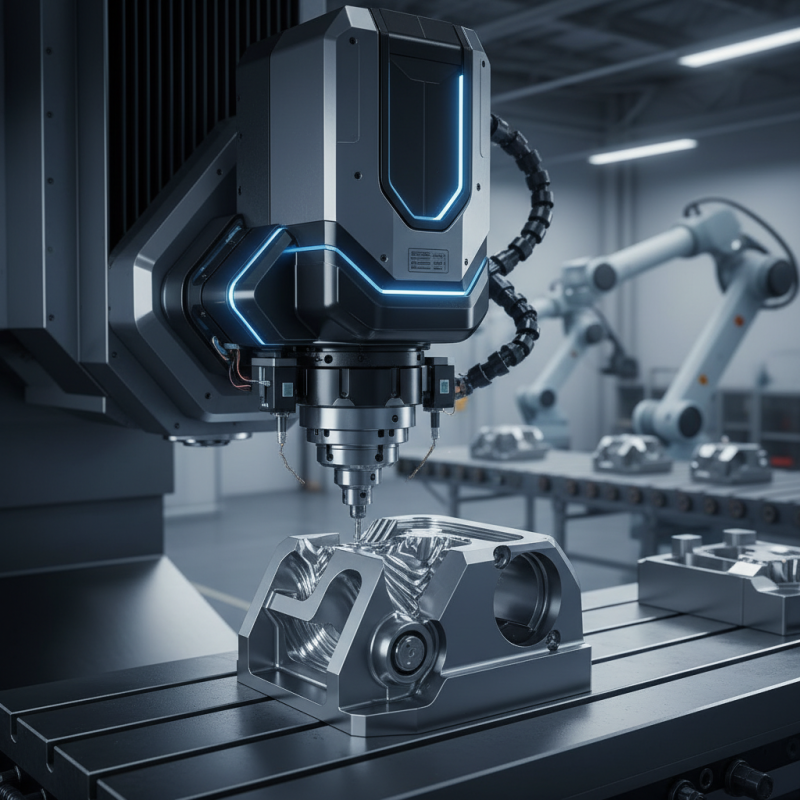
Overview of Angle Milling Head Technology Innovations for 2025
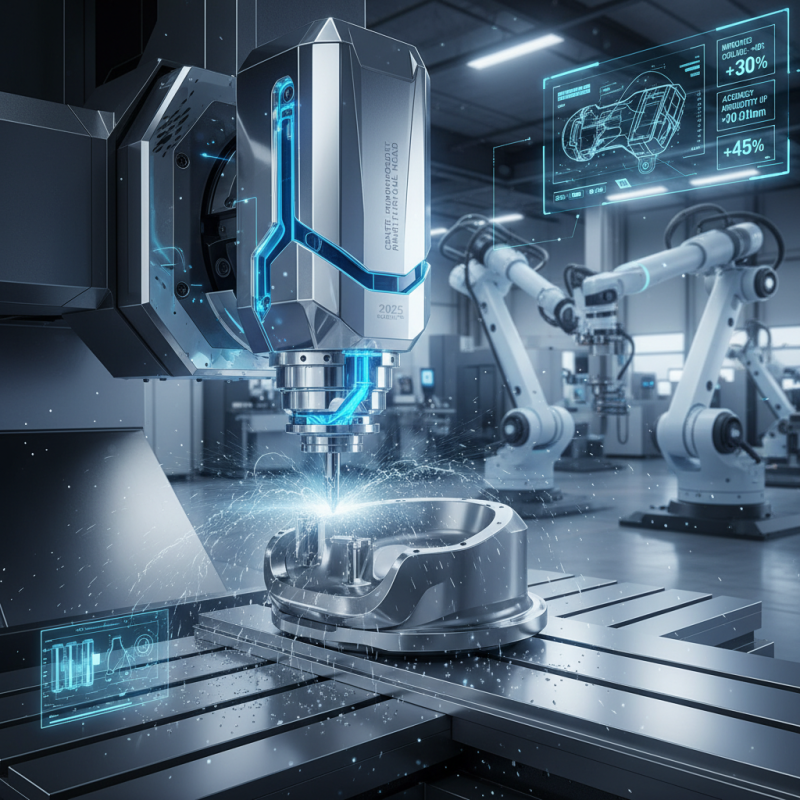
In 2025, the advancements in angle milling head technology are set to revolutionize the manufacturing landscape. Manufacturers are increasingly investing in high-performance machine tools, as highlighted by the introduction of innovative products like a new center-through-coolant angle head. This particular model boasts improved cooling efficiency and accuracy, allowing for enhanced productivity and chip removal during complex machining tasks. The demand for such innovations reflects a broader industry trend, where operators are seeking tools that not only improve operational efficiency but also allow for greater adaptability in manufacturing processes.
Recent data indicates that the global machine tool market is experiencing a significant upswing, projected to grow at a CAGR of 4.1% from 2021 to 2027. Advanced technologies, such as digitalization solutions and high-end spindles, are critical to this growth, enabling manufacturers to optimize their production capabilities. As highlighted in the upcoming EMO Hannover 2025 event, key players in the industry are expected to showcase their latest innovations, reinforcing the trend towards modernization and efficiency in angle milling head design and functionality. This shift is indicative of a broader commitment within the industry to embrace cutting-edge technologies and drive productivity improvements.
Key Features of Next-Gen Angle Milling Heads in 2025
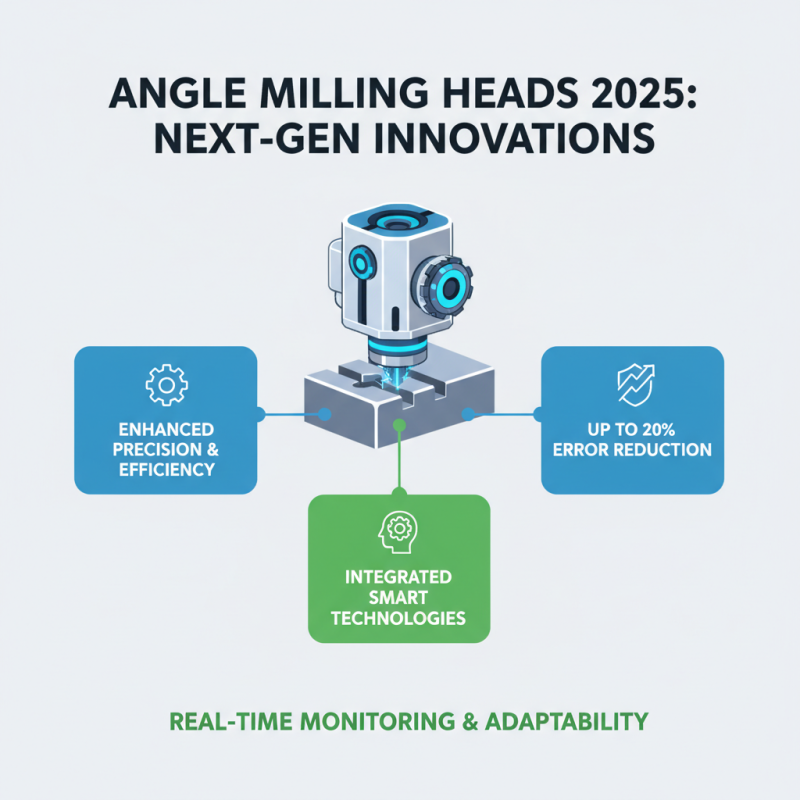
In 2025, the landscape of angle milling heads is set to experience significant innovations that will redefine the capabilities of milling operations. The next-generation angle milling heads are designed with advanced features that enhance precision, efficiency, and adaptability. Reports indicate a trend towards integrated smart technologies, allowing for real-time monitoring and adjustments during milling processes. This could lead to a reduction in error rates by up to 20%, markedly improving overall production quality.
Furthermore, advancements in materials and design are expected to yield angle milling heads that can perform at higher temperatures and pressures, broadening their application in various industries. The use of lightweight, durable materials not only increases tool lifespan by an estimated 30% but also facilitates faster machining speeds, enhancing productivity. Additionally, data from industry analysts show that manufacturers implementing these innovations can anticipate a 15% increase in operational efficiency, making next-gen angle milling heads a worthwhile investment for competitive manufacturers aiming to stay ahead in the evolving market.
Advancements in Material Science for Angle Milling Head Construction
In 2025, advancements in material science are set to revolutionize the construction of angle milling heads. The integration of lightweight, high-strength composites is transforming the design flexibility and performance of these tools. Innovations in polymer matrix composites (PMCs) allow for enhanced durability and wear resistance, enabling manufacturers to create milling heads that withstand extreme machining conditions while maintaining precision.
Additionally, the adoption of advanced coatings and surface treatments plays a crucial role in improving the longevity and efficiency of angle milling heads. Nanostructured coatings, which can significantly reduce friction, are becoming more prevalent, resulting in lower energy consumption and better chip management during machining processes. These advancements not only extend the lifespan of the milling tools but also enhance the overall productivity of milling operations across various industries.
Impact of Automation and AI on Angle Milling Head Efficiency
The advancements in automation and artificial intelligence (AI) are set to revolutionize the efficiency of angle milling heads in 2025. According to a recent report by Markets and Markets, the global machine tool automation market is projected to reach $104.6 billion by 2026, growing at a CAGR of 8.7%. This surge is primarily driven by the need for increased precision and reduced downtime in manufacturing processes. The integration of AI into milling machines allows for real-time monitoring and predictive maintenance, significantly minimizing unexpected breakdowns and enhancing productivity.
Moreover, AI algorithms are improving the adaptive machining capabilities of angle milling heads. Research from McKinsey indicates that AI can automate up to 45% of manufacturing tasks, enabling quicker adjustments to complex parameters in milling operations. This not only optimizes workflow but also allows for greater flexibility in meeting market demands. With these innovations, manufacturers can expect not only heightened efficiency but also a reduction in operational costs, further solidifying the role of automated angle milling heads in modern machining environments.
Future Trends and Market Outlook for Angle Milling Technology in 2025
As we step into 2025, the landscape of angle milling technology is poised for significant transformation, driven by innovation and evolving market demands. The global CAM market, which is projected to reach USD 7.60 billion by 2033, reflects a robust annual growth rate of 9.24% from 2025. This growth signals an intensifying integration of advanced technologies in angle milling processes, enhancing precision and efficiency in metal cutting applications.
Future trends suggest a greater emphasis on automation and intelligent systems within the angle milling sector. With the metal cutting tools market forecasted to exceed $113 billion by 2030, innovations in automation will likely play a central role in optimizing production capabilities. As manufacturers seek to enhance productivity while reducing operational costs, angle milling heads equipped with advanced features such as smart tooling and adaptive control systems will become increasingly common. The projected developments indicate not only a surge in technological enhancement but also a competitive market striving for excellence in the quality and versatility of milling solutions.
Ultimate Guide to Angle Milling Head Innovations in 2025