Top 5 Oil Mist Purifiers for Cleaner Air in Industrial Environments
In the industrial sector, ensuring clean air is a paramount concern, particularly in environments where machining and lubrication processes are involved. According to a report by the National Institute for Occupational Safety and Health (NIOSH), oil mist—which can contain harmful particles—poses significant risks to respiratory health, contributing to chronic conditions among workers. The presence of oil mist in the workplace not only affects employee wellness but can also lead to decreased productivity and increased operational costs due to equipment damage and maintenance needs.
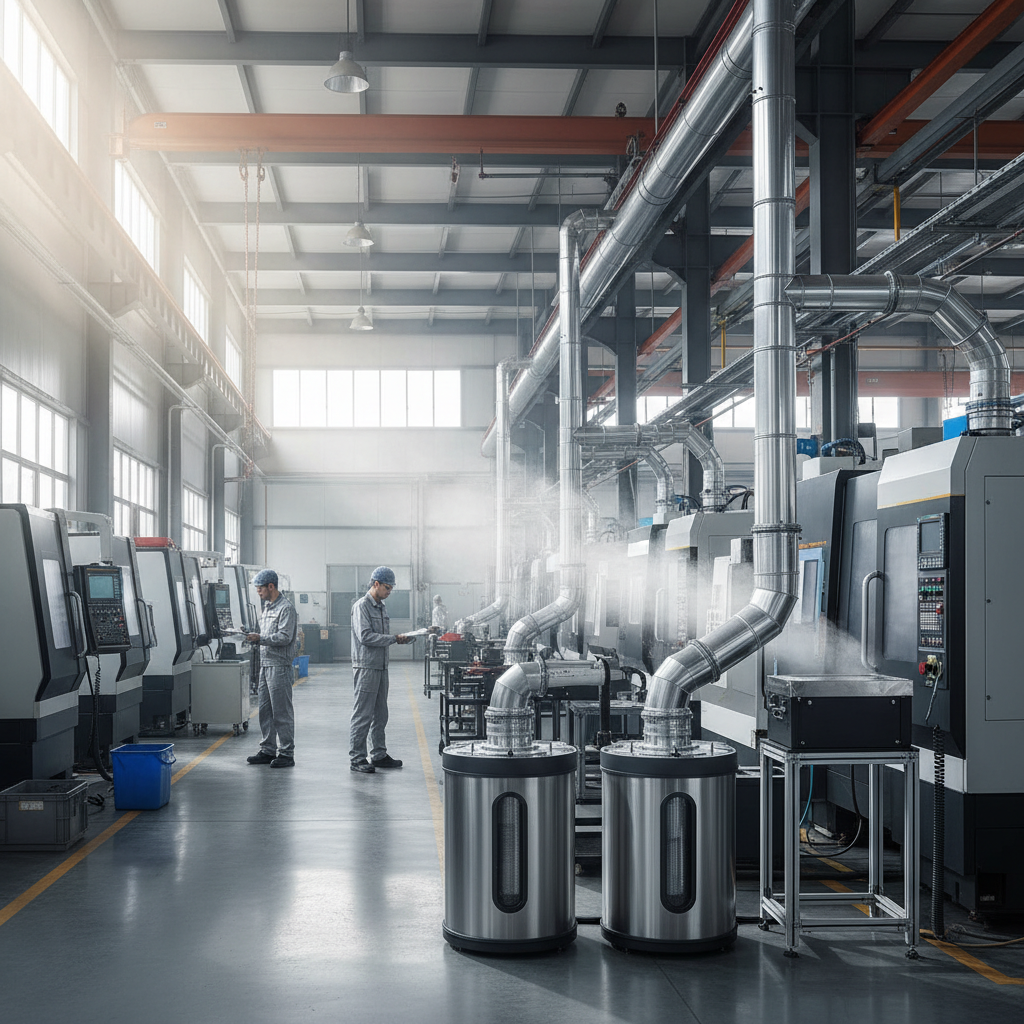
To combat these challenges, utilizing advanced Oil Mist Purifiers has become a critical strategy for maintaining air quality. A study published by the American Industrial Hygiene Association (AIHA) highlights that the proper implementation of oil mist filtration systems can reduce airborne contaminants by up to 95%. As industries strive to adhere to stringent environmental regulations, the selection of effective oil mist purifiers is essential for creating safer working environments and improving overall operational efficiency. This article will explore the top five oil mist purifiers available on the market, highlighting their features, benefits, and suitability for various industrial applications, ultimately guiding businesses towards cleaner air and healthier workplaces.
Key Features to Consider in Oil Mist Purifiers for Industrial Use
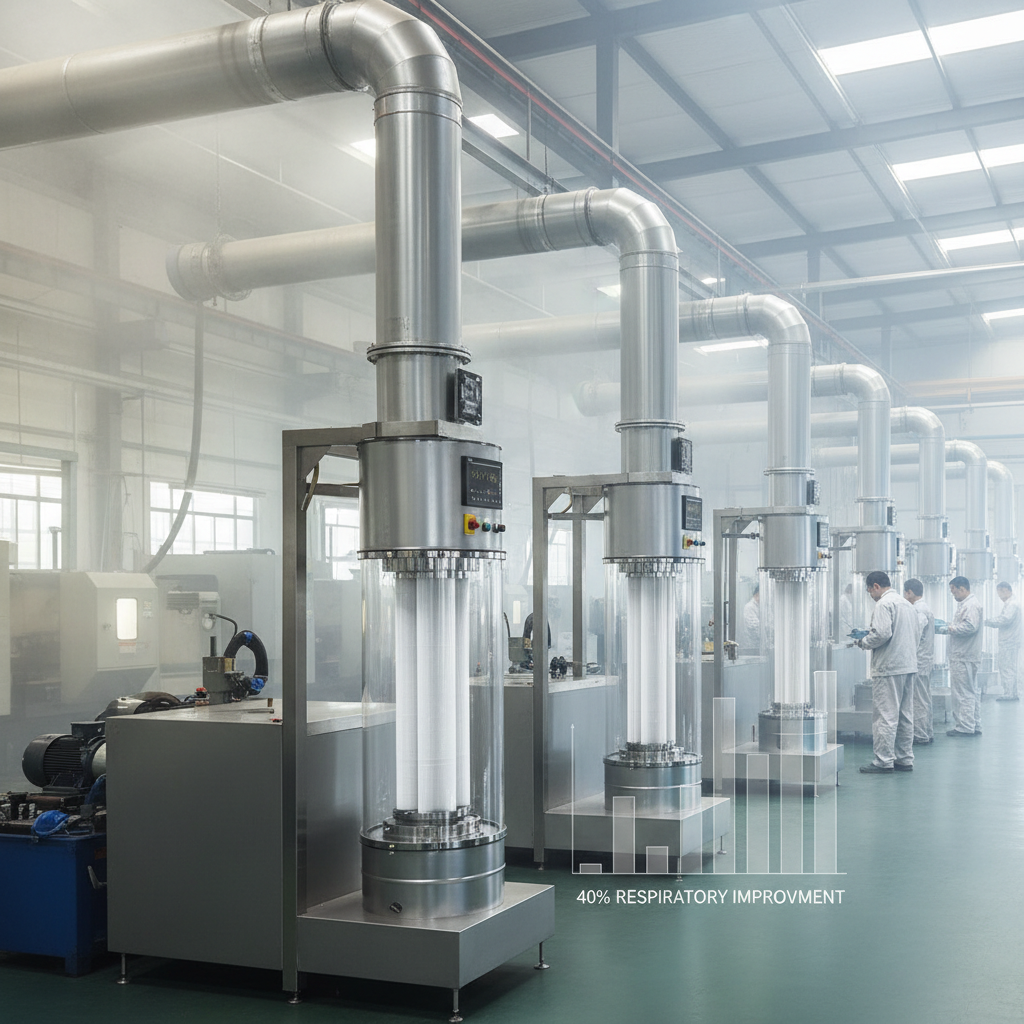
When selecting oil mist purifiers for industrial environments, several key features must be considered to ensure optimal performance. First, the purification efficiency is paramount. A good oil mist purifier should capture at least 99% of airborne oil mist particles, which can significantly improve air quality and reduce health risks for employees. According to a 2022 industry report, workplaces that implemented high-efficiency purifiers experienced a 40% reduction in respiratory issues among workers.
Another critical aspect is the maintenance requirements of the purifier. Devices with low-maintenance needs, such as self-cleaning filters, can minimize downtime and operational costs. Furthermore, considering the purifier's energy consumption is essential; energy-efficient models not only reduce electricity bills but also contribute to environmental sustainability. Reports indicate that companies can cut energy costs by as much as 30% by selecting high-efficiency equipment.
Tips: When assessing different models, look for those with built-in monitoring systems that provide real-time air quality data. This feature allows for proactive maintenance and ensures that air quality standards are consistently met. Additionally, consider the size and design of the unit; compact models are ideal for limited space without compromising performance. Prioritizing these features will help in selecting the best oil mist purifier suited to both your operational needs and regulatory compliance.
Top 5 Oil Mist Purifiers: A Comprehensive Review and Comparison
In industrial environments, the presence of oil mist can significantly impact air quality, posing health risks to workers and potentially damaging equipment. To address this issue, companies are turning to oil mist purifiers as effective solutions to enhance air quality and ensure a safer workplace. This comprehensive review highlights the top five oil mist purifiers, examining their features, efficiency, and suitability for various industrial applications.
Each purifier on the list has been evaluated based on its filtration efficiency, ease of installation, and maintenance requirements. Some models utilize advanced technologies such as electrostatic precipitation and coalescing filtration, which effectively capture oil particles from the air. In addition, the purifiers are compared on their energy consumption and operational costs, providing a well-rounded view for potential buyers. By investing in the right oil mist purifier, businesses can improve air quality, promote employee health, and maintain a cleaner industrial environment.
Performance Metrics: Evaluating Efficiency and Air Quality Improvement
In industrial environments, ensuring high air quality is paramount to both worker safety and operational efficiency. Evaluating the performance metrics of oil mist purifiers can provide insights into their efficiency in reducing airborne contaminants. Advanced filtration technologies and monitoring systems, such as adaptive residual Bi-LSTM models, play a significant role in enhancing air quality and predicting pollution levels. These technologies not only help in maintaining compliance with environmental standards but also demonstrate a measurable improvement in air quality.
Tips for improving air quality include regular maintenance of filtration systems and the installation of high-efficiency particulate air (HEPA) filters. Ensuring that these systems are coupled with robust air quality monitoring can provide real-time data, which is crucial for making informed decisions about environmental management. Additionally, integrating smart technology into operational setups can further optimize the purification process, leading to cleaner air and a healthier workforce.
Continuous monitoring and evaluation help identify the effectiveness of air quality solutions. For industries that have yet to implement modern air purification technologies, exploring recent advancements and adopting data-driven systems can significantly enhance air quality and support long-term sustainability efforts.
User Experience: Customer Feedback and Real-world Applications
In industrial environments, oil mist purifiers play a crucial role in maintaining air quality and ensuring the safety of workers. The user experience with these purifiers directly impacts their effectiveness and acceptance in the workplace. Customer feedback highlights the importance of ease of use, efficiency in removing contaminants, and maintenance requirements. A report from a leading market research firm indicates that the global air purification market is expected to reach over $40 billion by 2025, emphasizing the need for reliable solutions like oil mist purifiers in manufacturing settings.
Real-world applications demonstrate varying degrees of success with different models of oil mist purifiers. Many users have praised the high filtration efficiency and the low operational costs of certain units, which reportedly save companies significant amounts in reduced health-related expenses. According to customer reviews, those purifiers that integrate seamlessly into existing systems and require minimal downtime for maintenance tend to garner the most positive feedback. The growing emphasis on user-friendly designs and functionality reflects a trend supported by the latest findings from user experience conferences, where industry leaders stress the necessity of intuitive interfaces to enhance overall satisfaction and operational compliance in industrial settings.
Top 5 Oil Mist Purifiers User Experience
This chart displays the user feedback ratings for the top 5 oil mist purifiers based on customer experiences in real-world industrial applications. The ratings are based on a scale from 1 to 5, with 5 being excellent performance.
Cost Analysis: Budgeting for Oil Mist Purifiers in Industrial Settings
When considering the implementation of oil mist purifiers in industrial settings, understanding the financial implications is crucial for effective budgeting. The initial investment in these purifiers can vary widely based on the technology and capacity needed for specific operations. Entry-level models may be more affordable, ranging from $1,000 to $5,000, but they often lack the efficiency and longevity of higher-end systems. Industrial operations that produce significant oil mist may require more advanced systems, which can range from $10,000 to $50,000 or even higher, depending on the complexity and features offered.
Beyond the purchase price, ongoing maintenance and energy costs must also be factored into the overall budgeting for oil mist purifiers. Regular maintenance is essential for optimal performance and can average between $300 and $1,500 annually, depending on the system's complexity and usage. Additionally, energy consumption should be estimated, as more efficient units may reduce operational costs in the long run. By carefully analyzing these costs, industrial managers can make informed decisions that align with their budgets while ensuring a cleaner and safer working environment.
Top 5 Oil Mist Purifiers for Cleaner Air in Industrial Environments - Cost Analysis
| Purifier Model |
Airflow Rate (CFM) |
Filtration Efficiency (%) |
Maintenance Cost (Annual) |
Initial Cost |
| Model A |
500 |
99% |
$1,500 |
$8,000 |
| Model B |
400 |
98% |
$1,200 |
$6,500 |
| Model C |
600 |
97% |
$1,800 |
$9,500 |
| Model D |
300 |
95% |
$1,000 |
$4,500 |
| Model E |
700 |
99.5% |
$2,000 |
$10,000 |