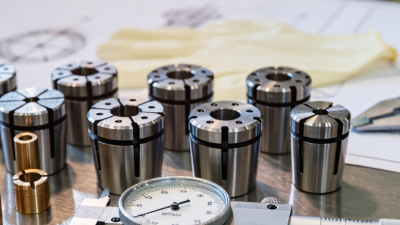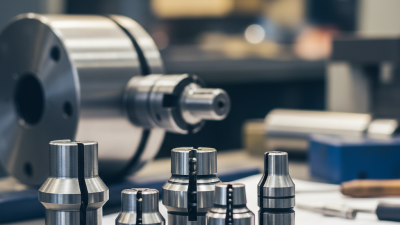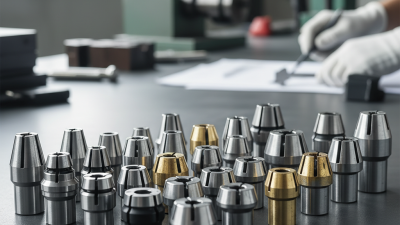
A clamping collet is a precision workholding sleeve that grips a tool or workpiece around its circumference. Its tapered body contracts inside a collet chuck. This creates centered, repeatable holding force with limited surface damage. In a busy CNC cell, that difference appears as steadier runout, cleaner finishes, and fewer rejected parts.
The International Federation of Robotics reported 4.28 million industrial robots operating worldwide in 2023. That figure highlights a practical need for reliable, repeatable workholding. Grand View Research also identifies automation and precision manufacturing as major forces in the machine tools market. Collets support both trends. However, “precision” is not guaranteed by appearance alone. Bore size, material, taper design, clamping range, balance, and maintenance all matter.
Dr. Tony Schmitz, a recognized machining-dynamics researcher, states, “Machining is a dynamic process, not a static one.” His point applies directly to collet selection. A poorly matched collet can amplify vibration, mark a delicate shaft, or loosen during demanding cuts. These problems are easy to underestimate.
When you Buy Clamping Collets, check the machine interface, gripping diameter, permissible runout, operating speed, and manufacturer test data. ISO 230-2 measurement principles can help evaluate machine positioning performance, but they do not replace collet-specific inspection. Ask for actual tolerance figures.
The cheapest option may still work. Sometimes. Yet a lower purchase price can hide shorter service life and unstable production. This guide explains what clamping collets are, how they work, and how to choose them with evidence rather than assumptions.

A clamping collet is a slotted, hardened sleeve that grips a tool, bar, or workpiece inside a matching holder. When the nut tightens, the collet contracts evenly around the part. This creates radial pressure, not a single-point grip.
ER-style collets are common because one system can cover several diameter ranges. However, each collet has a limited clamping range. Forcing an oversized or undersized part can reduce accuracy and shorten tool life.
ISO 15488:2018 provides dimensional requirements for collets with cylindrical shanks. It is a useful purchasing reference, but standard compliance does not guarantee perfect runout.
In practical machining, clean the taper, collet, and nut before every installation. A tiny chip can feel harmless. It can shift the cutting edge visibly at high speed. Many precision applications target runout near 0.01 mm, although the actual result depends on the holder, machine, tool, and measurement method.
The International Federation of Robotics reported 541,302 industrial robot installations worldwide in 2023. This growth increases demand for repeatable gripping and automated tool changes.
When buying clamping collets, check the required diameter range, holder compatibility, material, balance rating, and stated runout. Select the smallest suitable range for a better grip.
Do not trust appearance alone. A polished surface may hide wear, distortion, or a damaged thread. I sometimes see buyers focus on price first, then discover that inconsistent clamping caused the real production loss. That choice deserves reconsideration.
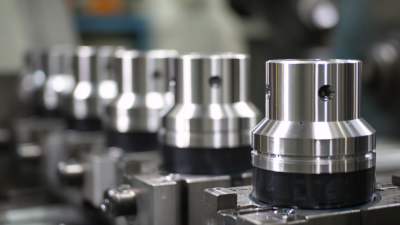
A clamping collet grips a tool or workpiece through controlled radial compression. Its slotted body sits inside a tapered holder or collet chuck. When the drawbar pulls the collet into the taper, the angled surfaces force its segments inward. The bore then contracts evenly around the material. Friction creates the holding force.
Small details matter. A clean taper transfers force more reliably than a dusty one. Chips can prevent full seating and increase runout. The workpiece should match the collet’s stated diameter range, not merely fit inside it. A few thousandths of an inch can affect gripping quality.
Release works in the opposite direction. The drawbar moves forward, allowing the collet to expand and release the part. A practical inspection includes checking slots, threads, contact faces, and visible wear. Do not overtighten to compensate for an incorrect size. That mistake can distort the collet and still produce weak holding.
When buying clamping collets, verify the holder standard, taper, diameter range, gripping length, and required accuracy. Spring collets suit repeated machining tasks, while sealed designs can help in dirtier environments. Manufacturer specifications remain important because similar-looking systems may not interchange. My own assessment would not stop at advertised precision; measuring runout with a clean reference bar gives a more dependable answer. Even then, setup technique can change the result.
Clamping collets hold cutting tools or workpieces through even radial pressure. Their design affects grip, accuracy, and setup speed. ER collets are common for milling and drilling because they cover broad diameter ranges. They suit general machining, but their gripping range must be respected. Using a collet beyond its rated compression can reduce accuracy.
R8 collets are often selected for compatible milling spindles and direct tool holding. 5C collets support repetitive turning and workholding, especially on lathes and indexing equipment. TG and OZ styles usually provide stronger gripping for heavier cutting. Sealed collets can help when coolant or fine chips may enter the toolholder. Each type has limits. A perfect choice on paper may still fail if the spindle, nut, or workholding system is mismatched. That detail is easy to miss.
Tips: Check the exact shank or workpiece diameter, not only the nominal size. Confirm taper, thread, maximum speed, and permissible runout. Keep the collet clean, dry, and free from dents. Inspect the bore under bright light. A small chip can create visible vibration. For buying, prioritize measured accuracy and complete specification sheets over attractive packaging. If the application changes from light finishing to rough cutting, reassess the collet type. Many selection mistakes come from assuming one set fits every task.
What Is a Clamping Collet? How to Buy Clamping Collets?
A clamping collet grips a workpiece or tool inside a machine spindle. Choosing one requires more than matching a catalog number. Start with the actual diameter, not the expected diameter. Measure several workpieces with a calibrated micrometer. A small variation can reduce gripping accuracy. The collet’s size range should fit closely, without forcing excessive compression. Tight fit matters.
Check the required runout, gripping length, and workpiece material. Precision machining needs very low runout, especially during drilling or finishing. Softer materials may need controlled clamping pressure to prevent marks. Hardened steel usually demands stronger, more stable contact. The machine spindle, collet nut, and taper must also match exactly. Compatibility is not negotiable.
Shorter clamping lengths can improve rigidity. Longer lengths may provide better access but can increase vibration. I would inspect coolant access, chip resistance, and cleaning requirements before buying. Dirt inside the taper can create visible runout within minutes. Test the collet with a gauge bar when possible. Record the measured result.
One detail is easy to overlook: repeated tightening changes performance. Cheap-looking maintenance can become expensive downtime. Even experienced operators sometimes choose by size alone. That is a mistake worth reconsidering. A reliable purchase balances accuracy, load capacity, durability, and the machine’s real working conditions.
| Evaluation Dimension | What It Means | Common Data or Range | Why It Matters When Buying |
|---|---|---|---|
| Basic function | A clamping collet is a slotted, tapered holding sleeve that grips a tool or workpiece when it is pulled into a matching body. | Used for round shanks, bars, drills, end mills, and small turned components. | Confirms that the collet is suitable for the required holding operation and workpiece geometry. |
| Collet system | The standardized interface that defines the collet’s external dimensions, taper, nut, and compatible holder. | ER, R8, 5C, TG, and drawbar-style systems are common examples. | A collet must match the holder and spindle system; different systems are not normally interchangeable. |
| Nominal capacity | The largest workpiece or tool diameter that the collet is designed to hold. | Examples include 1–10 mm, 3–16 mm, or 1/8–1/2 in, depending on the system and collet size. | Select a capacity that covers the actual shank diameter without exceeding the collet’s rated range. |
| Clamping range | The diameter interval over which the collet can clamp accurately. | ER collets commonly provide approximately 1 mm of collapse for nominal metric sizes; exact ranges depend on the collet type. | Using a collet close to the correct diameter generally improves concentricity and gripping force. Do not rely on excessive compression. |
| Bore size and tolerance | The finished internal bore and its permitted dimensional variation. | Typical precision collets may be specified to hundredths of a millimeter; the exact tolerance must be checked in the technical datasheet. | A tighter bore tolerance is important for precision machining and repeatable tool positioning. |
| Accuracy and concentricity | The amount of radial runout between the collet axis and the held tool or workpiece. | Precision systems are often specified in micrometers, commonly around 5–15 μm under stated test conditions. | Lower runout supports better surface finish, tool life, hole quality, and dimensional consistency. |
| Maximum speed | The highest permitted rotational speed for the collet and holder assembly. | Many high-speed systems are rated from several thousand revolutions per minute to more than 20,000 rpm, depending on size, balance, and assembly. | The lowest rating among the spindle, holder, collet, and nut determines the safe operating limit. |
| Material and heat treatment | The steel grade, hardness, elasticity, and surface treatment used to resist wear and fatigue. | Spring-tool steels and alloy steels are widely used; hardened working surfaces are common in precision collets. | Suitable material and heat treatment help maintain clamping force, accuracy, and service life. |
| Workpiece or tool shape | The collet’s bore is designed for a specific profile, usually round but sometimes hexagonal, square, or form-specific. | Round collets are common for tool holding; 5C-style systems can use round, hexagonal, and square workholding collets. | The bore profile must match the component. A round collet should not be used when a form collet is required for positive location. |
| Clamping force | The radial gripping force generated by the collet, nut, drawbar, or hydraulic mechanism. | Varies with collet size, tightening torque, lubrication, contact area, and holder design. | Adequate force prevents tool pullout and workpiece movement, while over-tightening can deform the collet or damage the tool. |
| Required tightening torque | The recommended nut torque used to obtain the specified clamping performance. | Torque is system-specific and may range from a few newton-metres for small collets to several dozen newton-metres for larger systems. | Verify the manufacturer’s torque specification and use a suitable wrench to achieve repeatable clamping. |
| Coolant compatibility | The ability to operate with flood coolant, through-tool coolant, dry cutting, or other process fluids. | Standard sealed or slotted collets differ in their coolant delivery capability; sealed versions may be required for through-tool coolant. | Choosing the correct coolant configuration reduces leakage and supports effective chip evacuation. |
| Operating environment | The temperature, contamination, vibration, moisture, and production cycle in which the collet will work. | Manual, CNC, high-speed, heavy-cutting, and automated applications impose different requirements. | The application determines the required strength, balance, sealing, maintenance interval, and replacement frequency. |
| Inspection and maintenance | Routine cleaning, inspection for cracks or distortion, lubrication of mating surfaces, and correct storage. | Runout, bore damage, slot wear, corrosion, and nut condition should be checked regularly. | Maintenance protects accuracy and prevents chips or corrosion from causing uneven clamping. |
| Selection checklist | The minimum information required before ordering a replacement or new collet. | Holder system, bore diameter, workpiece shape, accuracy, speed, coolant method, material, and operating torque. | Confirming these points reduces incompatibility, premature wear, vibration, and machining errors. |
Note: Capacity, runout, speed, torque, and tolerance values vary by collet system and design. Always verify the current technical specification for the exact collet, holder, nut, and machine combination.
A clamping collet is a precision toolholding component that grips a round shank evenly. Its tapered body contracts inside a matching holder or nut. This action centers drills, end mills, reamers, and similar tools during machining. Choosing the right collet starts with your machine spindle and holder system. Confirm the exact system, taper, thread, and nut compatibility. Similar-looking collets may not fit safely.
Measure the tool shank carefully. Select a size range that holds the shank near its rated capacity, rather than relying on excessive compression. Check the required gripping diameter, permissible runout, material, and operating speed. A high-precision collet can improve surface finish, but it cannot correct a damaged holder or bent tool. Inspect the collet slots, taper, and contact surfaces before installation. Clean them with a lint-free cloth. Even a small chip can affect concentricity. I have found that buyers often focus on grip force and overlook runout. That choice can create vibration, noise, and uneven cutting.
Tips: Match the collet to the actual shank diameter. Avoid forcing an oversized tool into a narrow range. Use a calibrated torque wrench for tightening. Test the setup at low speed first. If vibration appears, stop and recheck cleanliness, seating, and balance. Also, replace worn collets instead of compensating with extra tightening. That usually makes accuracy worse.
A clamping collet is a precision sleeve that grips a tool or workpiece inside a compatible chuck. The chart shows representative nominal minimum and maximum clamping diameters for common ER collet sizes. Actual ranges may vary by standard and manufacturer, so always verify the technical drawing before purchasing.
Choose a collet whose working range closely matches the shank or workpiece diameter. For reliable concentricity and holding force, avoid using a collet at the extreme end of its range and confirm the chuck system, collet standard, precision grade, and required runout.